TRT Replacement Therapy Near Me: Choosing the Right Provider
@arthuronhw806
November 19, 2026 · 14 min read
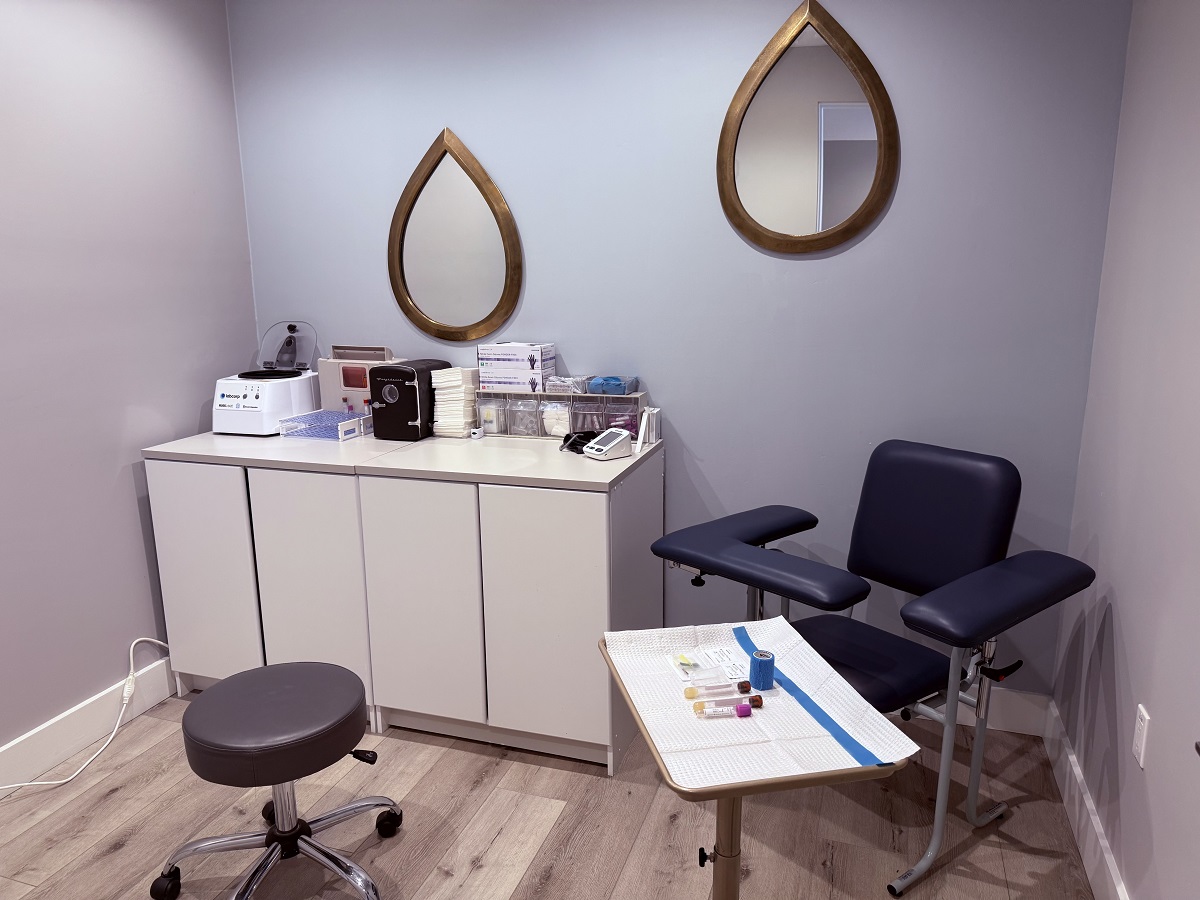


Searches for Trt replacement therapy near me usually start the same way. A man has spent months, sometimes years, feeling unlike himself. Energy is down. Recovery after workouts is slower. Libido has faded. Sleep is lighter, patience is thinner, and the brain fog is hard to ignore. He finally gets around to reading about testosterone replacement therapy, sees dozens of clinics and telehealth ads, and realizes that the difficult part is not finding a provider. It is figuring out which one deserves his trust.
That distinction matters. TRT is not a haircut, a vitamin drip, or a quick prescription that should be handed out after a five minute chat. Done well, testosterone therapy can be life changing for the right patient. Done poorly, it can create unnecessary side effects, mask other health issues, and lock someone into treatment before a proper diagnosis is made.
The market has grown quickly, and quality varies more than most people expect. Some clinics are meticulous, conservative, and medically grounded. Others are little more than sales funnels dressed up as healthcare. If you are trying to sort through local options, it helps to know what good care actually looks like from the inside.
Why the provider matters more than the ad
TRT has become easier to market than to manage. Many clinics know exactly how to speak to common frustrations, low drive, stubborn belly fat, poor motivation, weaker gym performance. Those complaints are real, but they are not specific to low testosterone. They can also come from poor sleep, untreated sleep apnea, chronic stress, depression, thyroid problems, overtraining, obesity, certain medications, and alcohol use.
A strong provider starts by slowing the process down. He or she does not assume every tired forty year old with a low mood needs testosterone. Instead, the work begins with a proper history, symptom review, physical exam when appropriate, and carefully timed lab testing. Testosterone levels fluctuate during the day, and results can shift based on sleep, illness, and calorie intake. One isolated lab value is rarely enough to make a durable decision.
That is one of the first signs of quality. Good clinics are not in a rush to sell certainty. They are comfortable with nuance.
What a legitimate TRT evaluation should include
A credible TRT provider is trying to answer two questions at the same time. First, does the patient actually have clinically meaningful testosterone deficiency? Second, if so, is testosterone the best next step?
That sounds straightforward, but in practice it takes judgment. Providers who do this work well usually look beyond total testosterone alone. Depending on the case, they may also review free testosterone, sex hormone binding globulin, luteinizing hormone, follicle stimulating hormone, estradiol, complete blood count, comprehensive metabolic panel, prostate specific antigen in the right setting, thyroid markers, lipid profile, and occasionally prolactin or iron studies. The exact panel varies by age, symptoms, medical history, and practice style, but a thoughtful baseline workup is a good sign.
The timing of the test matters too. Testosterone is often checked in the morning, especially in younger and middle aged men, because that is when levels tend to be highest. A provider who skips that basic detail may be treating the spreadsheet rather than the patient.
There is also the question of fertility, which gets missed more often than it should. Testosterone therapy can suppress sperm production. For a man in his thirties who wants children in the next few years, that is not a footnote. It may be the central issue. A careful provider will ask directly about family planning before writing anything. If fertility preservation matters, the conversation may shift toward alternatives or adjuncts such as clomiphene or hCG, depending on the case and the clinician’s approach.
The red flags are usually obvious once you know them
After enough exposure to this field, the low quality setups become easier to spot. Their websites are sleek, their claims are broad, and their intake process feels more like a membership pitch than a medical consultation. The promise is simple, get optimized fast, feel twenty years younger, no hassle.
That should make you pause.
Here are the red flags worth taking seriously:
- The clinic guarantees treatment before labs are reviewed.
- The consultation is mostly a sales conversation about packages, not your health history.
- There is little discussion of risks, monitoring, fertility, or alternative explanations for symptoms.
- Follow-up seems generic, infrequent, or delegated entirely to non-clinical staff.
- The prescribed protocol sounds one size fits all, regardless of age, goals, and lab results.
Most poor TRT care is not dramatic. It is casual. A patient is started on a standard high dose, perhaps with extra medications layered in automatically, and then left to chase side effects that could have been prevented with a more measured plan. Water retention, acne, irritability, elevated hematocrit, or estradiol swings are not always signs that TRT was a mistake. Sometimes they reflect clumsy management.
Local clinic, men’s health center, or telemedicine?
Patients often assume the best answer must be nearby, but the right fit depends on what matters most to you. Some people want in person visits, blood pressure checks, and face to face conversations. Others care more about access, scheduling flexibility, and cost transparency.
A local primary care doctor can be excellent if he or she is comfortable managing hormone therapy and willing to Trt replacement therapy near me sdbody.com monitor it properly. The advantage is continuity. Your existing medical history is already part of the chart, and broader health issues are less likely to be overlooked. The downside is that some primary care practices have limited experience with TRT and may be overly hesitant, inconsistent, or unfamiliar with the finer points of dosing and follow-up.
Men’s health clinics often have more experience and a smoother process. The better ones spend a lot of time on symptom patterns, baseline testing, injection technique, and dose adjustments. The weaker ones focus on volume and recurring revenue. The name on the sign tells you very little by itself.
Telemedicine has become a major option, especially for men in smaller towns who search Trt replacement therapy near me but find only a few local choices. A good telehealth practice can offer competent, structured care with local lab partnerships and home delivery of medication. The best telemedicine groups are not lax, they are simply efficient. Still, there are trade-offs. Physical exams are limited, relationship building can feel thinner, and if complications arise, coordination with local care becomes more important.
Rather than asking which model is best in the abstract, ask which provider within that model behaves like a physician and which behaves like a marketer.
The first consultation tells you a lot
One of the most useful habits I recommend is paying close attention to the first real conversation. Not the ad, not the chatbot, not the online quiz. The actual visit.
A strong TRT consultation usually feels methodical. The provider asks when your symptoms started, how they have changed, what medications you take, whether you snore, how much you drink, whether you lift weights, what your sleep looks like, whether you have children or want them, and whether your mood has shifted. If you have prior labs, those are reviewed in context, not cherry picked for the lowest number.
The provider should also be able to explain why he recommends treatment, why he does not, or why he wants more data first. That explanation should make sense in plain English. If every answer sounds rehearsed or overly simplistic, trust your instincts.
I have seen patients arrive at a specialist’s office convinced they needed testosterone because an online clinic had already primed the decision for them. Then a proper workup uncovered severe sleep apnea, uncontrolled diabetes, heavy alcohol use, or medications suppressing their hormone axis. In those cases, treating the root problem either improved testosterone naturally or changed the treatment plan entirely. That is medicine doing its job.
Questions worth asking before you commit
You do not need to grill a provider like a trial lawyer, but a few direct questions can reveal a lot about how the practice operates. Ask how they confirm a diagnosis. Ask what baseline labs they require and how often they repeat them. Ask how they adjust dosing if levels overshoot or side effects show up. Ask what their approach is to fertility concerns. Ask who you contact between visits if something feels off.
Good clinicians usually answer calmly and specifically. They may differ on details, but they can explain their logic. Weak clinics often default to vague reassurance.
A patient once told me the deciding factor for him was a provider who spent ten minutes discussing what would happen if he wanted to stop therapy in the future. That may sound minor, but it signaled seriousness. Responsible TRT care includes an honest discussion about commitment, monitoring, and the possibility that symptoms may not vanish overnight.
Dosing philosophy matters more than most patients realize
Many people shopping for TRT focus on the brand, the price, or the nearest location. Those factors matter, but dosing philosophy may matter more over the first six months.
There is no single perfect regimen for everyone. Testosterone can be prescribed in injectable, topical, pellet, or other forms, though injections are among the most commonly used because they are practical and often more affordable. Some men do well with once weekly injections. Others feel steadier splitting the dose. Some prefer gels to avoid needles, while others dislike the mess, transfer risk, or daily routine.
What you want to hear from a provider is flexibility paired with restraint. Starting low to moderate and adjusting based on symptoms and labs is usually more reassuring than blasting into a high dose on day one. Bigger initial doses may feel attractive to patients who want fast results, but they can also create avoidable swings and side effects. The goal is not to chase the highest possible number. It is to find a sustainable range where symptoms improve and safety markers remain acceptable.
If a clinic automatically prescribes an aromatase inhibitor or other add-on medications for every patient, ask why. Some men need adjuncts. Many do not. Automatic stacking can be a sign of formulaic care rather than individualized treatment.
Monitoring is where good clinics separate themselves
Starting TRT is not the finish line. It is the beginning of management. Some men feel meaningful improvements within several weeks, especially in libido, motivation, or general vitality. Body composition and strength changes often take longer and depend heavily on training, diet, sleep, and baseline health. Other men feel little benefit at first and need dose adjustments, better injection timing, or a fresh look at whether testosterone was the true issue.
Monitoring should cover both symptoms and objective data. Hematocrit deserves attention because testosterone can stimulate red blood cell production. That effect is not automatically dangerous, but if levels rise too far, the plan may need adjustment. Estradiol can matter in context, though chasing lab numbers without symptoms can create more trouble than it solves. Blood pressure, lipids, sleep quality, prostate related concerns in the appropriate population, and general wellbeing all belong in the discussion.
This is where bargain TRT often reveals its real cost. Cheap monthly pricing looks less appealing if follow-up is sloppy, communication is slow, and your only answer to side effects is a generic refill notice.
Cost should be transparent, not mysterious
TRT pricing can vary widely. The medication itself may be fairly affordable in some settings, especially generic injectable testosterone, but the total cost depends on office visits, lab work, supplies, shipping, and whether the provider bundles services into a membership model. Insurance may cover some parts of the process, particularly if testing documents genuine deficiency and treatment is managed within a traditional medical framework. Cash pay clinics often move faster and may be easier to access, but they can cost more over time.
The right question is not simply “What is the monthly fee?” Ask what is included, how often labs are repeated, whether consultations are extra, where prescriptions are filled, and what happens if the treatment plan changes. A clinic that cannot answer those questions clearly is asking you to commit before you understand the bill.
I generally like providers who are direct about price and equally direct about uncertainty. If they promise dramatic results while keeping the financial structure hazy, that is a bad combination.
It is not just about hormones, it is about the rest of your health
The best TRT providers tend to care about more than testosterone. They ask about weight, exercise, blood sugar, alcohol intake, cardiovascular history, medications, sleep, and mental health because all of those factors shape the outcome.
That broader view matters. A patient with obesity and severe snoring may have borderline testosterone levels partly because of untreated sleep apnea. A patient under extreme stress and sleeping five hours a night may not feel substantially better even after an “optimal” lab result. Another may expect TRT alone to reverse years of inactivity and poor eating habits. That is not how this works.
A seasoned provider knows when testosterone is the right tool and when it is being asked to compensate for something else. That does not mean every patient must be perfect before therapy starts. Real life is messier than that. It does mean your clinician should be willing to say, “This may help, but it will not replace sleep, training, weight loss, or treatment of other conditions.”
How to narrow your options without overcomplicating it
If you are comparing several local clinics or trying to decide between nearby care and telemedicine, do not get lost in branding. Look for signs of medical seriousness. Read the provider biographies. Check whether they mention diagnostic standards, follow-up protocols, and lab monitoring. Look at reviews carefully, not just for praise about friendliness, but for clues about communication, side effect management, refill reliability, and whether patients felt heard.
Then pay attention to the first encounter. Did the clinician seem curious or scripted? Did they explore other causes of symptoms? Did they talk through trade-offs? Did they answer questions without defensiveness? You are not looking for perfection. You are looking for competence, honesty, and a willingness to individualize care.
A short practical checklist can help:
- Confirm that the provider requires proper labs before prescribing.
- Ask how often follow-up visits and blood tests are scheduled.
- Discuss fertility goals before treatment starts.
- Clarify total cost, including labs, visits, and medication.
- Choose the clinician who explains reasoning clearly, not the one who sells hardest.
That process may not be flashy, but it works. It pushes the decision away from advertising and back toward medical quality.
A good fit feels measured, not rushed
When patients tell me they are glad they chose a certain provider, they rarely mention the logo, the office décor, or the social media presence. They talk about smaller things. The doctor who insisted on repeat labs before deciding. The nurse who taught injection technique carefully. The clinic that adjusted the regimen after a few weeks instead of dismissing symptoms. The provider who said no to unnecessary add-ons. The office that treated TRT as one part of health rather than the whole story.
That is what you want when you search for Trt replacement therapy near me. Not the loudest promise, but the steadiest hand.
TRT can be appropriate, effective, and genuinely helpful for the right patient. Choosing the right provider is what turns that possibility into a safe and sustainable plan. If the clinic in front of you seems more interested in speed than clarity, keep looking. The better practices are usually the ones willing to earn your confidence slowly.
SDBody La Jolla
Address: 7710 Fay Ave, La Jolla, CA 92037
Phone number: +18584012383
FAQ About Trt replacement therapy near me
Will insurance pay for TRT therapy in La Jolla, CA?
Coverage varies by plan and may depend on the diagnosis, blood test results, medication and prior authorization. Ask your insurer which visits, lab tests and formulations it covers and what you would pay out of pocket.
What is the most affordable TRT clinic in La Jolla?
Compare written estimates for the initial visit, lab work, medication and follow-up monitoring. Your total cost will depend on your insurance and the care your clinician recommends.
Is TRT replacement good for you in La Jolla, CA?
Testosterone replacement may help some people with symptoms and consistently low testosterone confirmed by blood tests. A clinician can review the potential benefits, risks, fertility plans and monitoring needs before recommending treatment.