TRT Clinic in La Jolla: Separating Facts From Misconceptions
@arthuronhw806
October 21, 2026 · 14 min read
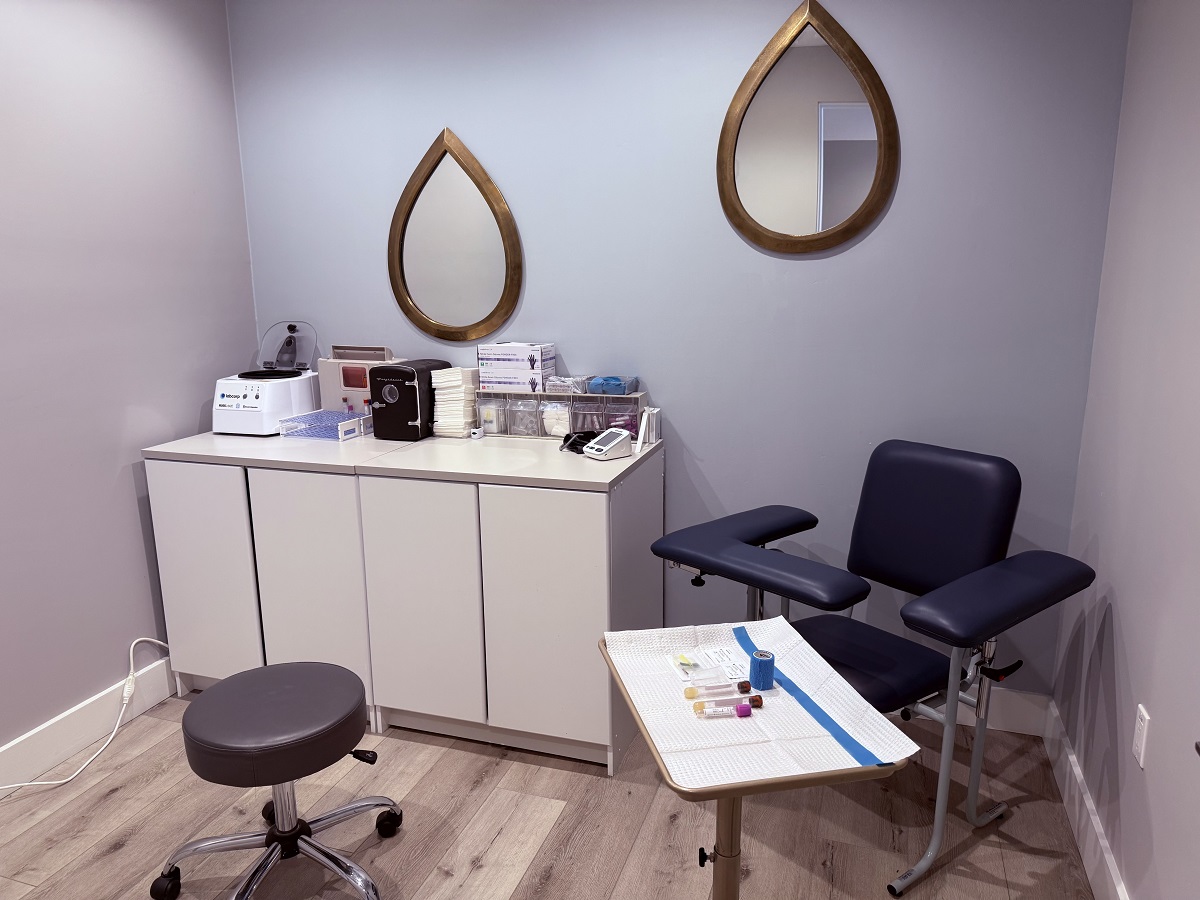
Walk into any discussion about testosterone replacement therapy and you will hear strong opinions within minutes. Some men talk about TRT as if it were a magic reset button. Others treat it like a reckless shortcut that inevitably causes harm. Neither view is especially useful for someone trying to make an informed decision.
That gap between hype and reality matters, especially in a place like La Jolla, where patients tend to be health-conscious, active, and selective about medical care. Men seeking treatment are often not looking for extremes. They want clarity. They want to know whether fatigue, low libido, loss of muscle mass, poor recovery, low mood, or mental fog could be related to testosterone deficiency, and if so, what responsible treatment actually looks like. A reputable trt clinic La Jolla patients trust should be able to answer those questions without overselling, dismissing symptoms, or rushing anyone into therapy.
The truth is more nuanced than the internet makes it sound. TRT can be appropriate, effective, and life-changing for the right patient. It can also be poorly managed, unnecessary, or disappointing when it is used for the wrong reasons. The difference usually comes down to diagnosis, expectations, monitoring, and clinical judgment.
Why the confusion around TRT is so common
Testosterone has become one of those subjects where medicine, marketing, fitness culture, aging, and insecurity all collide. That mix creates misconceptions quickly. Men hear about “low T” from ads, podcasts, gym conversations, and online forums long before they hear the details from a physician. By the time they visit a clinic, many already carry a script in their head. They may believe TRT will instantly restore the body they had at 25. Or they may fear that a single injection will cause heart problems, infertility, or personality changes.
Part of the confusion comes from the fact that low testosterone symptoms overlap with almost everything else. Poor sleep, chronic stress, overtraining, obesity, depression, thyroid issues, alcohol use, sleep apnea, and certain medications can all produce symptoms that look similar. A man can feel exhausted, irritable, and less interested in sex without having clinically significant testosterone deficiency. On the other hand, a patient can have low testosterone for years and assume he is simply getting older.
This is why competent evaluation matters more than slogans. Good medicine rarely starts with a sales pitch. It starts with listening, history, physical exam, lab interpretation, and context.
TRT is not for every tired man
One of the biggest misconceptions is that feeling run down automatically means low testosterone. In practice, that is not how diagnosis works.
Most experienced clinicians look for a combination of symptoms and laboratory evidence, usually confirmed with repeat testing. Testosterone levels fluctuate. They vary by time of day, sleep quality, illness, body composition, and even recent training load. A single borderline result does not tell the whole story. Neither does a symptom checklist taken in isolation.
A careful clinic evaluates more than total testosterone alone. Depending on the case, that may include free testosterone, sex hormone-binding globulin, estradiol, luteinizing hormone, follicle-stimulating hormone, complete blood count, metabolic markers, thyroid studies, prostate-related screening when appropriate, and sometimes sleep apnea assessment. The goal is not to order every test under the sun. The goal is to avoid treating a lab number while missing the actual problem.
In real practice, this is where some men are surprised. They come in convinced they need TRT and learn that their main issue is severe sleep disruption, untreated obstructive sleep apnea, high alcohol intake, major weight gain, or a medication effect. Others arrive skeptical and find that their symptoms and repeat labs do support treatment. Good care makes room for both outcomes.
Misconception: TRT is basically legal steroid use
This idea is common, and it is one of the reasons many men delay getting evaluated. They assume TRT is just bodybuilding culture dressed up as medicine. That is not an accurate comparison.
Anabolic steroid abuse typically involves supraphysiologic doses, stacked compounds, inconsistent sourcing, and goals centered on rapid physique or performance changes. Testosterone replacement therapy, when medically indicated and properly managed, aims to restore testosterone to a physiologic range, not push it far above normal. The purpose is symptom relief, hormonal stability, and improvement in quality of life, not chasing extremes.
That distinction matters. The dose, the monitoring, the formulation, the frequency, and the therapeutic target are all different. A responsible TRT clinic in La Jolla will not talk like a locker room dealer. It will discuss symptom response, hematocrit, fertility implications, estradiol balance, cardiovascular risk factors, and realistic timelines. The conversation should sound medical because it is.
That said, the line can blur when clinics market aggressively, promise dramatic body recomposition, or prescribe without proper follow-up. Patients should be wary of any setting that makes TRT sound effortless or cosmetic. If the message is all upside and no trade-offs, that is a red flag.
Misconception: If your testosterone is “normal,” treatment is off the table
This one is trickier, because “normal” is not always straightforward. Lab reference ranges are broad. A result that falls within range can still require thoughtful interpretation. Age, symptoms, free testosterone, binding proteins, metabolic health, and repeat measurements all matter.
That does not mean every man with a low-normal value should receive TRT. It means the decision should not be made by glancing at one number in isolation. A 38-year-old man with persistent symptoms, low free testosterone, poor recovery, central weight gain, and repeat morning values near the bottom of the range deserves a more nuanced conversation than a simple “you’re normal, next question.” At the same time, nuance cuts both ways. Symptoms in the presence of normal hormones may point elsewhere, and a good clinician should be willing to say that.
The best clinics tend to be the least dramatic about interpretation. They do not deny complexity, and they do not pretend complexity gives them license to prescribe testosterone to everyone.
Misconception: TRT fixes everything fast
Some men begin treatment expecting a dramatic shift in one or two weeks. That expectation usually comes from anecdotal stories, online transformation posts, or confusion between medical replacement and performance drug use.
The reality is steadier. Some benefits, such as libido, morning energy, or improved sense of well-being, may appear within several weeks for certain patients. Changes in body composition, strength, insulin sensitivity, and mood often take longer and depend on sleep, nutrition, resistance training, alcohol intake, and baseline health. If a man starts TRT but continues sleeping five hours a night, eating poorly, and skipping movement, the therapy may help less than he hoped.
Clinicians who do this work regularly learn not to overpromise. Treatment is not a substitute for habits. It can improve the terrain, but it does not build the house for you.
There is also a quieter truth patients appreciate hearing: sometimes the response is good but not dramatic. A man may say, “I don’t feel superhuman, but I feel more like myself.” That is often a sign the treatment is serving its actual purpose.
The fertility issue deserves direct conversation
This is one of the most important misconceptions to clear up. Men are often told that TRT boosts masculinity, vigor, and sexual function, then discover later that fertility is a separate issue. Exogenous testosterone can suppress the body’s own trt clinic La Jolla signaling to the testes and reduce sperm production, sometimes substantially.
For a man who is done having children, that may not change the decision. For a man who wants to preserve fertility in the near future, it absolutely should shape the treatment plan. In these cases, options may include avoiding TRT for the moment, evaluating for reversible causes of low testosterone, or discussing alternatives and fertility-preserving strategies with an experienced clinician. The right path depends on age, goals, timeline, baseline labs, and reproductive plans.
This is where experienced counseling matters. A man in his early 30s with borderline testosterone and plans for children should not receive the same conversation as a man in his late 50s who has completed his family and has clear laboratory hypogonadism. Medicine becomes sloppy when these distinctions disappear.
Misconception: TRT is unsafe by default
Fear around TRT often centers on the heart, prostate, blood thickness, mood changes, or sleep issues. Some concerns are based on legitimate physiologic effects, but broad statements like “TRT is dangerous” or “TRT is perfectly safe” are both too simplistic.
Testosterone therapy can raise hematocrit in some patients, which is one reason periodic blood counts matter. It can affect estradiol dynamics, acne, fluid retention, and in some cases exacerbate untreated sleep apnea. It may also change how a patient feels emotionally, though the stereotype that men on TRT automatically become aggressive is overstated and usually tied more to supraphysiologic use than thoughtful replacement.
Prostate concerns also need nuance. Men often assume testosterone “causes” prostate cancer, but the relationship is not that simple. What matters in practice is proper screening, baseline assessment when indicated, and ongoing monitoring, especially in older patients or those with relevant risk factors. A careful clinician does not ignore the prostate, but neither do they reduce the entire conversation to fear.
The same balanced approach applies to cardiovascular questions. Individual risk profile matters. So do obesity, diabetes, blood pressure, smoking, sleep apnea, inflammatory burden, and exercise habits. A man with untreated metabolic disease needs a more comprehensive plan than testosterone alone. Good clinics look at the whole patient, not a single hormone.
What a responsible evaluation usually looks like
The evaluation process should feel methodical, not rushed. A patient should leave the first phase of care understanding why the clinician is, or is not, recommending treatment.
A solid workup typically includes the following:
- A detailed review of symptoms, medical history, medications, sleep, stress, exercise, and sexual health.
- Morning laboratory testing, often repeated when values are borderline or unexpected.
- Discussion of reversible contributors such as obesity, sleep apnea, alcohol, or overtraining.
- Clear counseling on benefits, limitations, side effects, and fertility implications.
- A monitoring plan with follow-up labs and dose adjustments based on response.
If any of those elements are missing, the patient should ask why. It is not unreasonable to expect rigor when dealing with hormones.
The La Jolla factor: why local context shapes care
La Jolla is not just a scenic zip code. It has a particular patient profile. Many men in this community are professionally active, physically engaged, and attentive to performance, appearance, and longevity. Some surf, cycle, train, or golf several times a week. Others work intense executive schedules while trying to maintain high output well into midlife. That creates a real demand for hormone evaluation, but it also creates pressure to optimize when the actual need may be recovery, weight loss, stress reduction, or treatment for sleep apnea.
A good trt clinic La Jolla residents rely on understands this tension. Patients here often arrive informed, but not always accurately informed. They may know enough to ask about free testosterone, estradiol, or injection frequency, yet still carry misconceptions from forums and influencers. The best clinics meet that patient where he is. They neither patronize nor indulge. They explain.
That matters because patient compliance improves when recommendations make sense. Men are more likely to follow through with labs, dosing schedules, sleep changes, and follow-up visits when they feel the plan was built for them, not copied from a generic protocol.
Not all TRT protocols are interchangeable
Another misconception is that once you decide to start TRT, the rest is simple. It is not. Formulation, dose, frequency, route of administration, and monitoring schedule can all affect the experience.
Some patients do well with injections. Others prefer topical formulations. Some feel better with more frequent, lower-dose administration rather than larger, less frequent dosing because it can produce steadier levels for them. There is no universal protocol that suits every patient equally.
This is where cookie-cutter care causes problems. A clinic that gives every man the same dose on the same schedule may eventually produce a few happy patients, but not because the protocol is inherently superior. More often, it means some men happened to fit it. The rest may develop side effects, unstable symptom control, or frustration.
Dose adjustments should be guided by symptoms, follow-up labs, adverse effects, and practical life considerations. The right treatment plan is often less glamorous than people expect. It is a process of calibration.
What patients often misunderstand about side effects
Side effects are not a sign that TRT is inherently bad. They are a sign that hormones require oversight. The same treatment that improves one patient’s quality of life can create avoidable issues when used carelessly.
Common concerns include acne, oily skin, breast tenderness from estrogen shifts, elevated hematocrit, testicular shrinkage, reduced sperm count, swelling, and fluctuations in mood or libido if dosing is poorly matched. Most of these issues are not mysterious. They are usually manageable when identified early. Problems become larger when patients skip follow-up or clinics fail to monitor consistently.
This is one reason bargain hormone care can become expensive later. Men sometimes choose the lowest-cost option and end up paying in another currency: confusion, side effects, poor support, and fragmented care. It is worth asking not only what treatment costs, but what level of physician oversight is built into that price.
Signs a clinic deserves a closer look
Patients rarely regret asking harder questions before starting therapy. They do regret assuming all hormone clinics practice at the same standard.
When evaluating a clinic, pay attention to whether the staff explores your full health picture or seems eager to prescribe on the first pass. Notice whether the discussion includes fertility, blood work, follow-up intervals, and alternatives. Listen for realism. A serious practice does not need dramatic language to communicate value.
A few practical questions can reveal a lot:
- How do you confirm the diagnosis before recommending TRT?
- What labs do you monitor after treatment begins, and how often?
- How do you handle men who still want future fertility?
- What is your approach if symptoms improve but labs create concern, or the reverse?
- Who adjusts the protocol, and how accessible is follow-up care?
These are not combative questions. They are the questions an informed patient should ask.
Where expectations should land
The healthiest expectation is not transformation. It is restoration. If a man truly has testosterone deficiency and receives well-managed care, the goal is often better energy, improved sexual function, stronger recovery, clearer thinking, and a general return toward baseline vitality. That can be meaningful, sometimes profoundly so. It can save a marriage from strain caused by low libido or chronic exhaustion. It can help a man return to training, work, and daily life with consistency. But it is still medicine, not mythology.
The men who tend to do best are the ones who treat TRT as one component of health rather than the entire strategy. They address sleep, body composition, alcohol, training load, cardiovascular risk, and stress. They show up for labs. They report symptoms honestly. They understand that optimization without discipline usually devolves into disappointment.
There is a difference between wanting to feel younger and wanting to function well. Good clinical care stays anchored to the second goal.
Separating signal from sales language
TRT has become profitable enough that patients need a filter. Not every clinic that talks about men’s health is offering the same level of medical discipline. Some are excellent. Some are polished but shallow. Marketing can make them look identical.
The signal is usually in the details. Serious clinicians spend time on diagnosis. They explain what testosterone can and cannot fix. They are comfortable saying no, not yet, or not in your case. They build follow-up into the process instead of treating it as an afterthought. They care whether your symptoms improve, whether your blood counts remain safe, whether your fertility goals are protected, and whether your broader health is getting better.
That is the standard worth seeking in La Jolla or anywhere else. A reputable clinic should make the patient feel more informed, not more dazzled. Once the myths fall away, TRT is neither miracle nor menace. It is a legitimate medical therapy with clear uses, real limitations, and a strong need for competent oversight. For the right patient, under the right care, that is more than enough.
SDBody La Jolla
7710 Fay Ave, La Jolla, CA 92037
+1 858-401-2383
FAQ About trt clinic La Jolla
How much should my TRT cost?
TRT costs depend on the clinical evaluation, medication, laboratory testing, and follow-up plan. Ask for an itemized estimate that includes the initial visit and ongoing monitoring. SDBody La Jolla can explain its current fees after discussing the services being considered.
Will Insurance Pay for TRT in La Jolla?
Coverage depends on your plan, diagnosis, prescribed treatment, and provider network. Ask your insurer about medical necessity requirements, prior authorization, laboratory coverage, and out-of-pocket costs. Confirm SDBody La Jolla's billing arrangements directly; insurance payment is not guaranteed.
Is TRT safer than steroids?
Testosterone is itself an anabolic steroid. Clinician-prescribed replacement for confirmed testosterone deficiency differs from nonmedical steroid use, but it still carries risks and requires monitoring. Possible concerns include increased red blood cell levels and reduced sperm production. Discuss your medical history and fertility goals with a qualified clinician before considering treatment.